
 As children grow, their teeth and jaws change quickly. Many families are surprised to learn that an orthodontic screening is often recommended around age 7. This doesn’t mean braces will be needed straight away. In many cases, the best approach is to monitor development and review again later.
Booking an early assessment can give parents direction about what to watch and when to act.
Why Early Orthodontic Assessments Matter
An early orthodontic check allows your dentist to assess jaw growth, bite development, spacing, and oral habits that may influence how adult teeth come through. Some concerns are easier to guide while a child is still growing.
Early assessment may help reduce the likelihood of more complex orthodontic care later. In other cases, it simply establishes a baseline and a review schedule.
Your general dentist can often identify early warning signs during routine visits and advise whether monitoring, early guidance, or referral to an orthodontist is appropriate.
7 Signs Your Child May Need Braces
Seeing one of these signs does not automatically mean braces are required now. It’s simply a prompt to mention it at your child’s next appointment.
1. Crowded or Overlapping Teeth
Teeth that twist, overlap, or appear to run out of space can make brushing and flossing more difficult. Crowding may become more noticeable as adult teeth erupt.
2. Early or Late Loss of Baby Teeth
If baby teeth fall out much earlier than expected, or remain in place longer than usual, it can affect how permanent teeth come through and where they settle.
3. Difficulty Chewing or Biting
If your child avoids certain foods, chews only on one side, or struggles to bite cleanly, the way the upper and lower teeth meet may need to be checked.
4. Mouth Breathing
Consistent mouth breathing, snoring, or open mouth posture may influence oral development in some children. Your dentist may recommend further review if needed.
5. Thumb Sucking Beyond Age Five
Thumb sucking is common in younger children. When the habit continues beyond age 5, it may influence the position of the front teeth or the developing bite.
6. Jaws That Click, Shift, or Seem Misaligned
If the jaw shifts when opening, looks off-centre, or makes regular clicking sounds, an assessment can determine whether monitoring is appropriate.
7. Protruding Front Teeth
Front teeth that sit further forward may be more vulnerable to chips during sport and active play. Lip closure may also be affected.
At What Age Should a Child Be Screened?
Many kids benefit from an orthodontic screening around age 7. At this stage, your dentist can assess jaw growth, bite relationships, and how adult teeth are tracking beneath the gums.
Not all children need orthodontic care at this age. Some only require periodic reviews. Others may benefit from early guidance depending on their development.
What Happens at an Orthodontic Consultation?
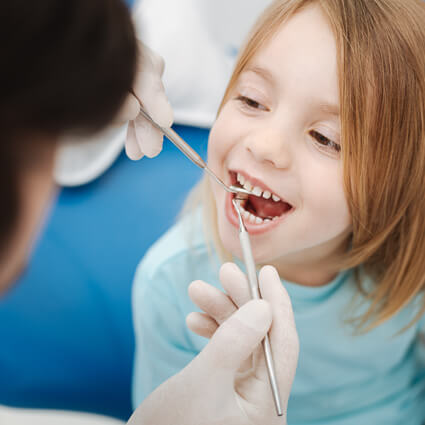 Orthodontic consultations are typically straightforward and kid-friendly. The goal is to understand what’s happening now and plan ahead thoughtfully.
The appointment may include:
- An examination of teeth and bite
- Digital scans or X-rays if clinically required
- Assessment of jaw growth and spacing
- Discussion of timing and possible options
You will also have time to ask questions and understand expected timelines.
Treatment Options That May Be Recommended
If orthodontic care is advised, recommendations vary by age and stage of development.
Some children only need monitoring with regular reviews. Others may benefit from early growth guidance appliances while the jaw is still developing. If orthodontic alignment is required, traditional braces may be recommended. In suitable cases, clear aligners such as SureSmile may also be considered.
Your dentist will explain what is appropriate and why, including expected duration and home care considerations.
Dentist or Orthodontist: Where Should You Start?
If you’re unsure where to begin, starting with your family dentist is often the simplest step. Dentists are trained to identify alignment and bite concerns during routine visits.
Some dentists provide orthodontic care for suitable cases. More complex situations may be referred to a specialist orthodontist. Beginning with your regular dental team can help streamline the process.
Ready to Take the Next Step?
If any of these signs sound familiar, an orthodontic assessment can help you understand what is happening and what may be needed next. Early advice can make future planning more straightforward and give you confidence about your child’s development.
Contact Sanctuary Lakes Family Dental today to schedule an orthodontic assessment to discuss your child’s smile and growth.
CONTACT US